South African Health Regulations for Pest Control: What Your Business Needs to Know
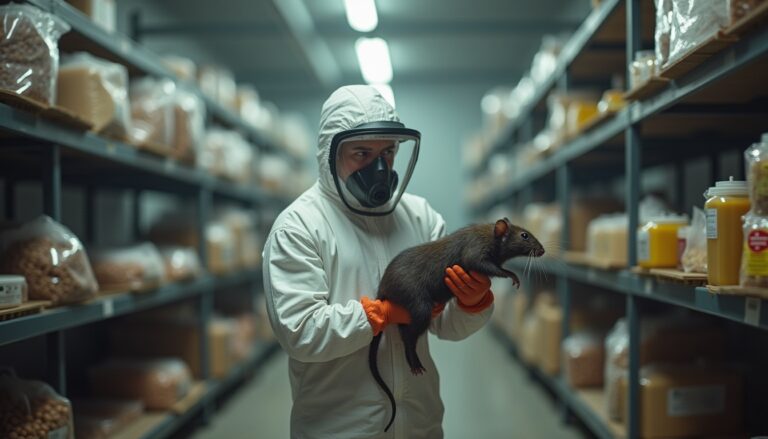
Pest control is more than just an inconvenience—it’s a legal requirement for businesses in South Africa, especially those in the food, hospitality, and healthcare industries. Failure to comply with health regulations can lead to fines, closures, or reputational damage. Understanding the relevant laws and best practices ensures that your business remains compliant and pest-free.
Key Pest Control Regulations in South Africa
- The Occupational Health and Safety Act (OHSA) of 1993
- Requires businesses to provide a safe and hygienic work environment, which includes preventing pest infestations.
- Employers must take reasonable steps to ensure that their premises are free from hazards, including pests that may pose health risks.
- The Foodstuffs, Cosmetics and Disinfectants Act (Act 54 of 1972)
- Food businesses must ensure that their premises are free from contamination, including pest infestations.
- Any food found to be contaminated by pests may be seized and destroyed by authorities.
- Hazard Analysis and Critical Control Points (HACCP) Compliance
- Although HACCP is not a legal requirement for all businesses, it is an essential standard for those in the food industry.
- Businesses must have pest control measures in place as part of their HACCP food safety plan.
- Municipal Health Bylaws
- Local municipalities enforce bylaws that regulate pest control, waste management, and sanitation.
- Businesses must adhere to these regulations, which often require regular pest control inspections and waste disposal procedures.
- The Pesticide Regulations Under the Fertilizers, Farm Feeds, Agricultural Remedies and Stock Remedies Act (Act 36 of 1947)
- Governs the use of pesticides and other chemical pest control methods.
- Businesses must ensure that only registered pest control operators handle chemical treatments.
How to Ensure Compliance
- Schedule Regular Pest Inspections: Partner with a registered pest control service to conduct routine inspections and treatments.
- Implement an Integrated Pest Management (IPM) Plan: Focus on prevention by maintaining hygiene, sealing entry points, and using non-toxic control methods where possible.
- Train Staff on Pest Awareness: Educate employees on recognizing pest activity and following proper food storage and waste management protocols.
- Keep Records of Pest Control Measures: Maintain documentation of pest control treatments, inspections, and corrective actions taken. This is essential for audits and health inspections.
What Happens If Your Business Fails to Comply?
- Fines and Legal Penalties: Businesses that fail to comply with pest control regulations can face heavy fines or legal action.
- Temporary or Permanent Closure: Health inspectors have the authority to shut down operations if a pest infestation poses a serious health risk.
- Reputational Damage: A single pest sighting can harm your brand and lead to loss of customers, especially in the food and hospitality industries.
Protect Your Business with Professional Pest Control
Working with a licensed pest control provider ensures compliance with South African regulations while protecting your staff, customers, and reputation. Regular inspections, effective treatment plans, and proactive prevention strategies will help keep your business pest-free and legally compliant.
Would you like to add a call-to-action for businesses to schedule an inspection?